| ABT/Quadrupel | ~ 10 years with positive evolution. |
| Barley Wine | ~ 10 years with positive evolution. |
| Berliner Weisse | ~ 10 years without much evolution. |
| Tripel | > 5 years with positive evolution. |
| Scotch Ale | > 5 years with positive evolution. |
| Dubbel | ~ 3 years with positive evolution. |
| Abbaye Blonde and Brune | ~ 3 years with positive evolution. |
| India Pale Ale (English) | ~ 3 years with positive evolution. |
| Bière de Garde | ~ 3 years with positive evolution. |
| Flanders red / Oud Bruin | ~ 3 years without much evolution |
| Porter / Stout | ~ 3 years without much evolution |
| Gueuze | ? impossible to foresee |
31 to 40 years old: | ||
| Schultheiss Groter Jan Berliner Weisse, ? vintage (Groterjan was bought by Schultheiss in 1961 and closed in 1978), sampled 10/2009 | courtesy of DerDoppelbock - clear and pale golden colour with a poor head retention; lactic nose with fair notes of meat; light-bodied and with acidic notes; low and subtle carbonation; light acidic and slightly fruity finish - very drinkable | 14.0 |
31 years old: | ||
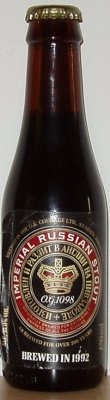
| Courage Imperial Stout, 10%, 1975 vintage, sampled 10/2006 | huge thanks to Laurent Mousson for sharing this one with me ! dark black coloured; little shy foam; deeply complex aroma of cheese, licorice, dust and cocoa, light notes of boiled meat; slightly oily with an unregular malt profile; late and solid bitterness soon met by a strong saltiness; very long and very salty aftertaste with more cocoa and licorice - this beer has suffered the assault of time but has resisted honorably - a touching experience | 14.8 |
30 years old: | ||
| Arkell Royal Wedding Ale, 1981 vintage, sampled 04/2011 | shared by Philipp Sigg and Thomas Schneider during the Solothurner Biertage 2011; a beer brewed for the wedding of prince Charles and Lady Diana Spencer. - the best of the 4 beers sampled on the same evening (see below); an impressive persistent foam and the one with the less Madeira-like flavours; it looks also like this one was the strongest in alcohol. Still enjoyable after 30 years. | N/A |
| Brains Prince's Ale, 1981 vintage, sampled 04/2011 | shared by Philipp Sigg and Thomas Schneider during the Solothurner Biertage 2011 - a beer brewed for the wedding of prince Charles and Lady Diana Spencer. | N/A |
| George Gale Royal Wedding Ale, 1981 vintage, sampled 04/2011 | shared by Philipp Sigg and Thomas Schneider during the Solothurner Biertage 2011 - a beer brewed for the wedding of prince Charles and Lady Diana Spencer. | N/A |
| Shepherd Neame Royal Wedding Ale, 1981 vintage, sampled 04/2011 | shared by Philipp Sigg and Thomas Schneider during the Solothurner Biertage 2011 - a beer brewed for the wedding of prince Charles and Lady Diana Spencer. | N/A |
| Courage Ceremonial Ale, 1981 vintage, sampled 06/2011 | shared by Philipp Sigg and Thomas Schneider - a beer brewed for the wedding of prince Charles and Lady Diana Spencer. - hazy amber colour; no foam; caramel and madeira in the nose, notes of marzipan; medium-bodied and with a moderate carbonation, decent bitterness; long malty, caramelish and portwine-like finish - impressive after all those years! | 14.0 |
26 years old: | ||
| Hürlimann Samichlaus, 14%: 1991 vintage, sampled 04/2017. | from my cellar. Very complex and superb! | N/A |
20 to 25 years old: | ||
| Horndean Prize Old Ale: eighties vintage, sampled 10/2009. | courtesy of Laurent Mousson - aroma of bretts with red fruits, no carbonation; notes of cork, fairly bitter; alcohol and red fruits in a slightly burning finish. | N/A |
22 years old: | ||
| Schloss Eggenberg Samichlaus, 14%, 2001 vintage, sampled 10/2023 | deep aroma of plums and nuts - thick and sweet - long notes of dry red fruits; nuts and soy sauce; brandy | 17.2 |
| Courage Imperial Stout, 10%, 1985 vintage, sampled 12/2007 | thanks to Laurent Mousson (again) for this gem - black coloured without foam; heavy aroma of pralines, chocolate, butter and licorice; madaireized; very thick and oily, low carbonation and a strong malt body; dry and very bitter with a touch of sourness; long chocolaty finish - a wonderful beer which marvelously survived those 22 years | 16.8 |
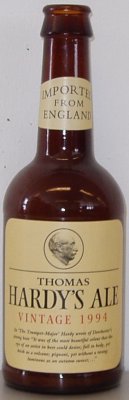
| Eldridge Pope Thomas Hardy's Ale, 12%: 1987 vintage, sampled 10/2009. | courtesy of Laurent Mousson - aroma of bretts and cork, acidic and sticky, some meat, almost no carbonation; fruity malty finish with lingering acidic notes - a beautiful beer | N/A |
| Cantillon Grand Cru Bruocsella, 12%: 1999 vintage, sampled 9/2021. | Extremly sour and dry. Very good except for a too strong presence of cork. | 16 |
21 years old: | ||
| Hürlimann Samichlaus, 14%: 1996 vintage, sampled 04/2017. | from my cellar. Beautiful, as always. | N/A |
20 years old: | ||
| Eldridge Pope Thomas Hardy's Ale, 12%: 1989 vintage, sampled 10/2009. | courtesy of Laurent Mousson - nut and caramel, mint, fiarly madereized and full-bodied, solidly bitter, long malty finish | N/A |
| Eggenberger Samichlaus, 14%: 2003 vintage, sampled 09/2023. | deep aroma of plums; some soy sauce; hugely sweet; thick and sticky | 15.2 |
17 years old: | ||
| Courage Imperial Stout, 10%, 1992 vintage, sampled 10/2009 | courtesy of Pascal Sauser - salty nose with some coffee; medium to full-bodied, a touch of caramel in a salty finish, roasted, a bit sticky. | N/A |
| BFM Cuvée du 9ème, 8%, 2006 vintage, sampled 09/2023 | the hop aromatic got quite mellow but remains interesting; solid malt backbone with no traces of sourness. Still enjoyable. | N/A |
16 years old: | ||
| Courage Imperial Stout, 10%, 1993 vintage, sampled 10/2009 | courtesy of Laurent Mousson - meaty and salty nose, acidic, chocolatey and salty finish, corrosive. | N/A |
15 years old: | ||
| Eldridge Pope Thomas Hardy's Ale, 12%: 1991 vintage, sampled 10/2006. | courtesy of Laurent Mousson - hazy brown colour and absolutely no foam; very complex nose of cocoa, herbs, menthol and biscuits; very thick and sticky, some sweetness with a powerful bitterness; strong alcohol kick in the finish along with more cocoa notes and a never ending bitterness - deeply impressive ! | 16.8 |
| Hürlimann Samichlaus, 14%: 1994 vintage, sampled 04/2009. | courtesy of Richie Leder | 14.8 |
13 years old: | ||
| Eldridge Pope Thomas Hardy's Ale, 12%: 1994 vintage, sampled 01/2007. | pours a dark unappetizing brown cloudy colour with absolutely no foam; aroma of cocoa and plums, vinous and Portwine-like; almost no carbonation, solid malt body, oily, syrupy palate, some sweetness before a late and robust bitterness; long fruity and malty finish with notes of chocolate and warming alcohol | 13.2 |
| Van Steenberge Bornem Dubbel: 1996 vintage, sampled 10/2009. | clear ruby-brown colour with no head retention; aroma of sweet malt and caramel with notes of Portwine; sweet and slightly sour, medium-bodied, short malty and caramelish aftertaste; quite oxidyzed | 11.6 |
12 years old: | ||
| Courage Imperial Stout, 10%, 1992 vintage, sampled 04/2004 | dark black colour with absolutely no foam, very strong and complex aroma of nut, black chocolate, cocoa, alcohol and plum, very thick and oily, solid bitterness, the finish is long and chocolaty - thx to fiulijn for this beautiful brew | 17.2 |
| Boon Oude Geuze, 6.5%: 1997 vintage, sampled 10/2009 | hay and fruity; more mellow than younger samples; quite creamy mouthfeel, some acidic notes and fruity finish | N/A |
| Liefmans Goudenband, 8%: 1999 vintage, sampled 09/2011. | Still pretty nice with lot of character. Survived the 12 years without much problem. | N/A |
| Abbaye des Rocs Brune, 9%: 1999 vintage, sampled 09/2011. | Has turned pretty sweet and carameleized but basically not bad. | N/A |
11 years old: | ||
| Hürlimann Caesarus Imperator Heller Bock, 12,5%, 1997 vintage, sampled 04/2008 | thanks to jjpm74 for the trade; no indications of vintage so I suppose it was the last one (1997) - pours a fully cloudy reddish-brown colour without head; hugely complex aroma showing notes of portwine, brownies and nuts; very sweet, full-bodied with a low carbonation, slightly oily, very long malty and nutty finish with notes of cognac and a big warming alcohol kick - the worthy little brother of Samichlaus | 16.4 |
| la Houblonnière Saint Bruno: 1998 vintage, sampled 10/2009 | aroma of meat and tar; madereized; salty and acidic in the mouth with lingering notes of meat in the finish | N/A |
| Eldridge Pope Thomas Hardy's Ale, 12%: 1998 vintage, sampled 10/2009. | aroma of bretts, alcohol, caramel and mint; full-bodied, very sweet with some bitterness; very long estery and malty finish with notes of pineapple - still powerful after all those years | N/A |
| St Bernardus 12, 10%: 2000 vintage, sampled 09/2011. | Well, I'm not the biggest fan of this beer and 11 years did not make it any good. | N/A |
| Dubuisson Bush Blonde, 10.5%: 2000 vintage, sampled 09/2011. | Lot of notes of caramel and madeira. Unconvincing | N/A |
| Moortgat Duvel, 8.5%: 2000 vintage, sampled 09/2011. | Still pretty decent but definitely better fresh. | N/A |
Bov, updated